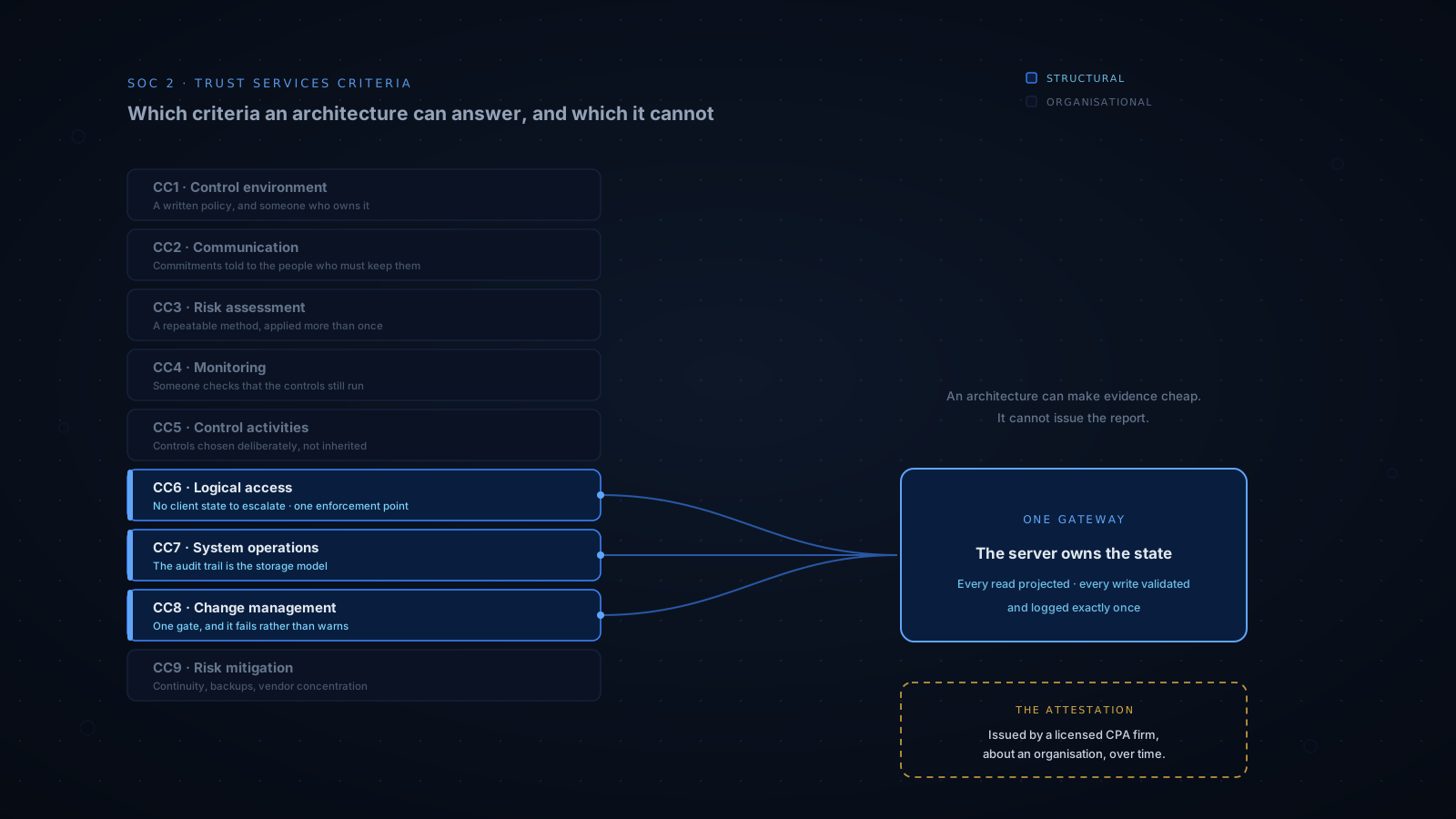
What SOC 2 asks for, and what an architecture can answer
No architecture makes an organisation SOC 2 compliant. What it decides is how expensive the evidence will be to produce — and three of the nine Common Criteria are settled by where application state lives.
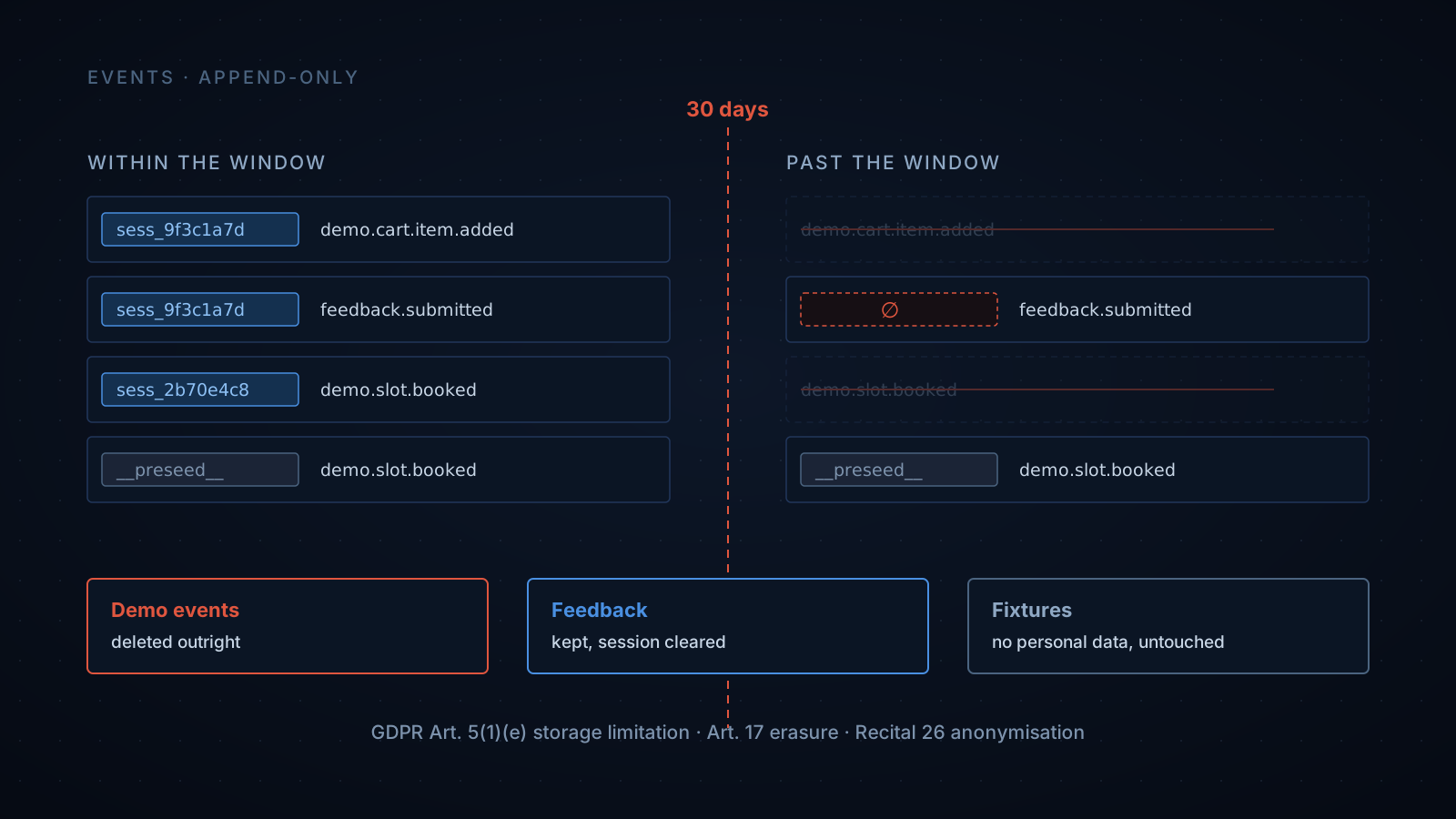
The log that cannot forget
An append-only event log is the strongest audit trail a web application can have, and it runs straight into the GDPR right to erasure. The tension is real. It is also smaller than it looks.
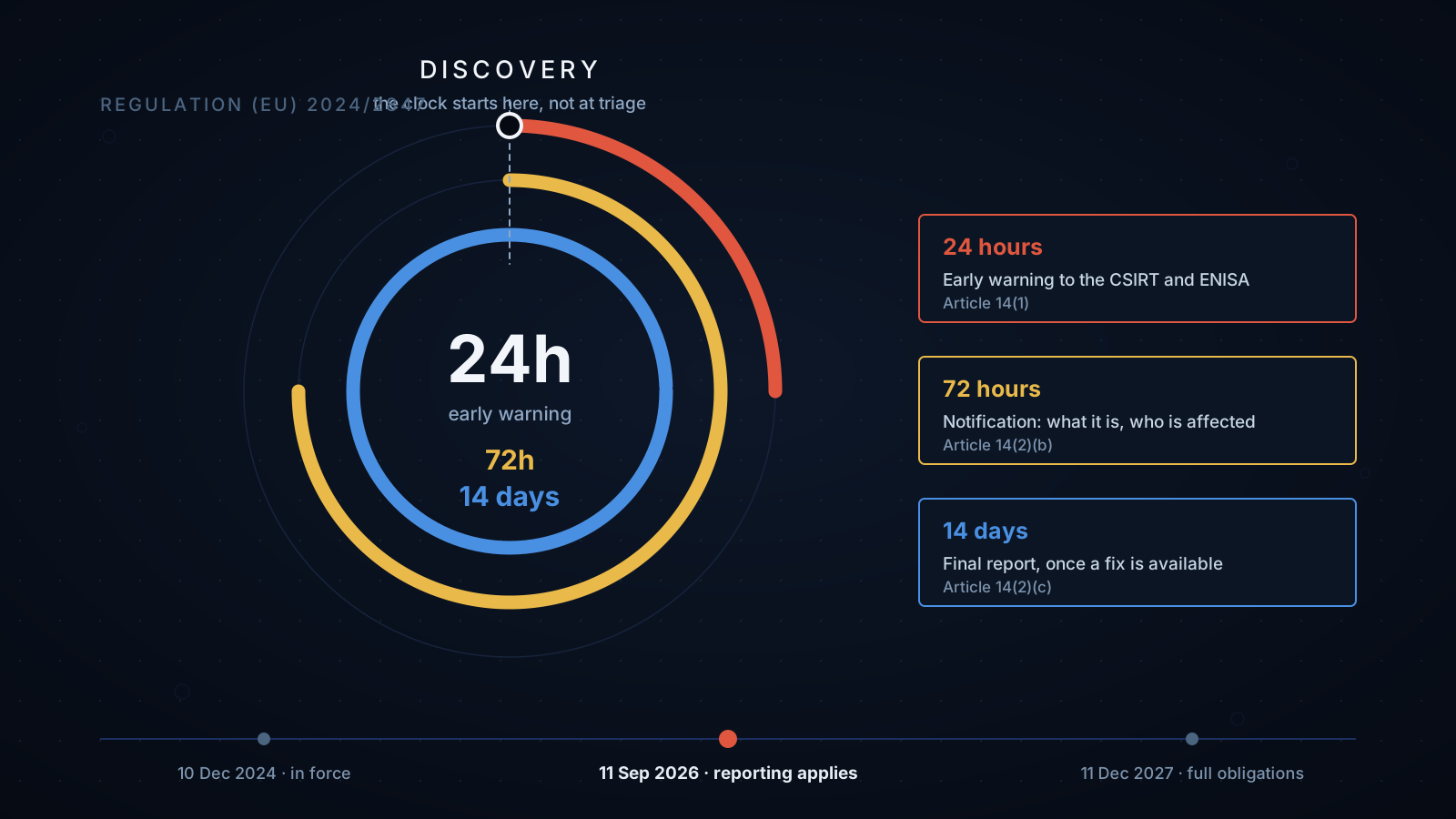
The clock starts at discovery
From 11 September 2026 the Cyber Resilience Act gives manufacturers 24 hours to warn ENISA about an actively exploited vulnerability. Meeting that deadline is a question about where your application's state lives.
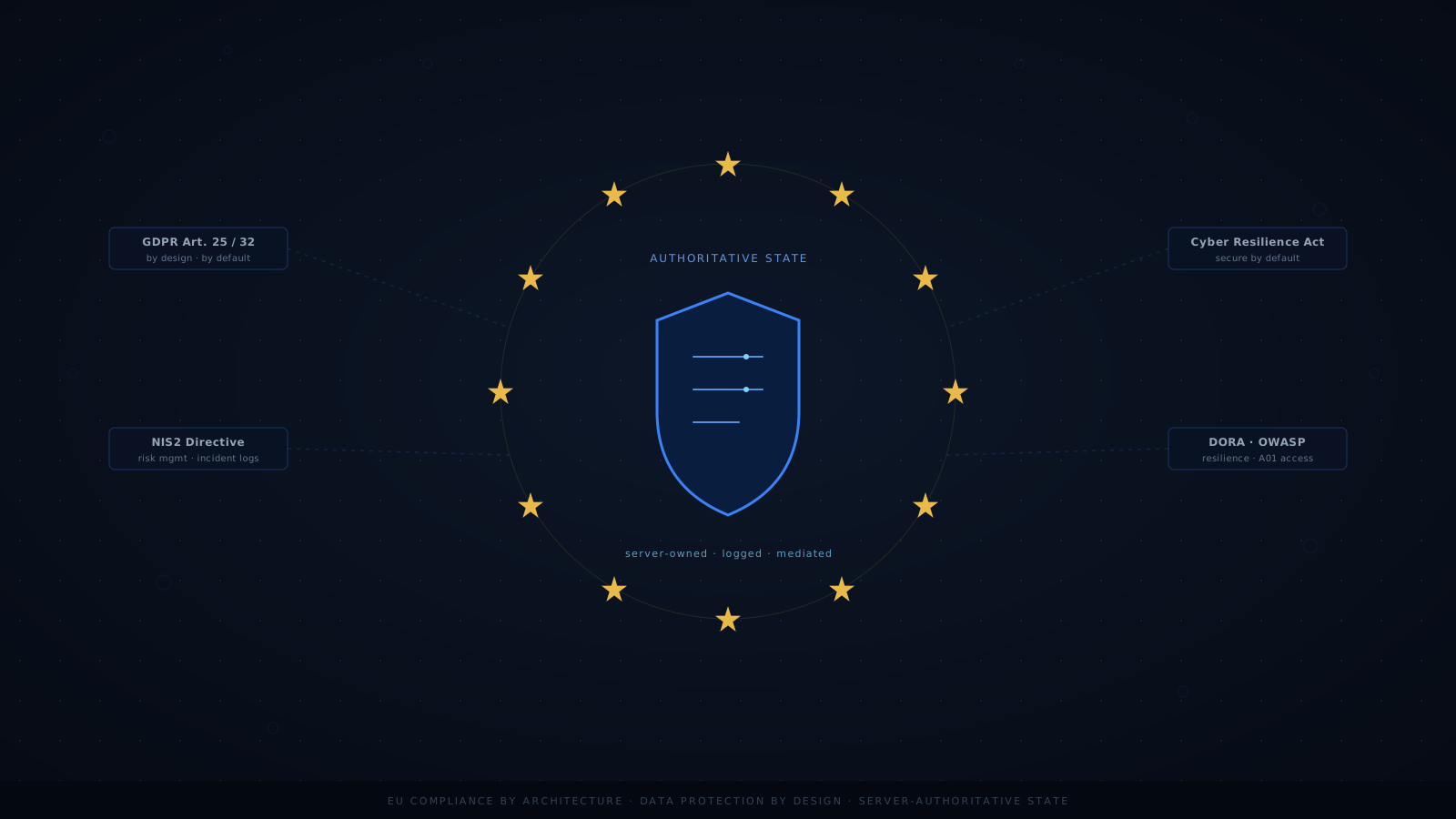
Compliance by architecture: GDPR, NIS2, and the EU security baseline
The EU now regulates web application security through GDPR, NIS2, the Cyber Resilience Act, and DORA. Server-authoritative UI turns several of their requirements from paperwork into structural properties of the system.
The dependency you didn't write
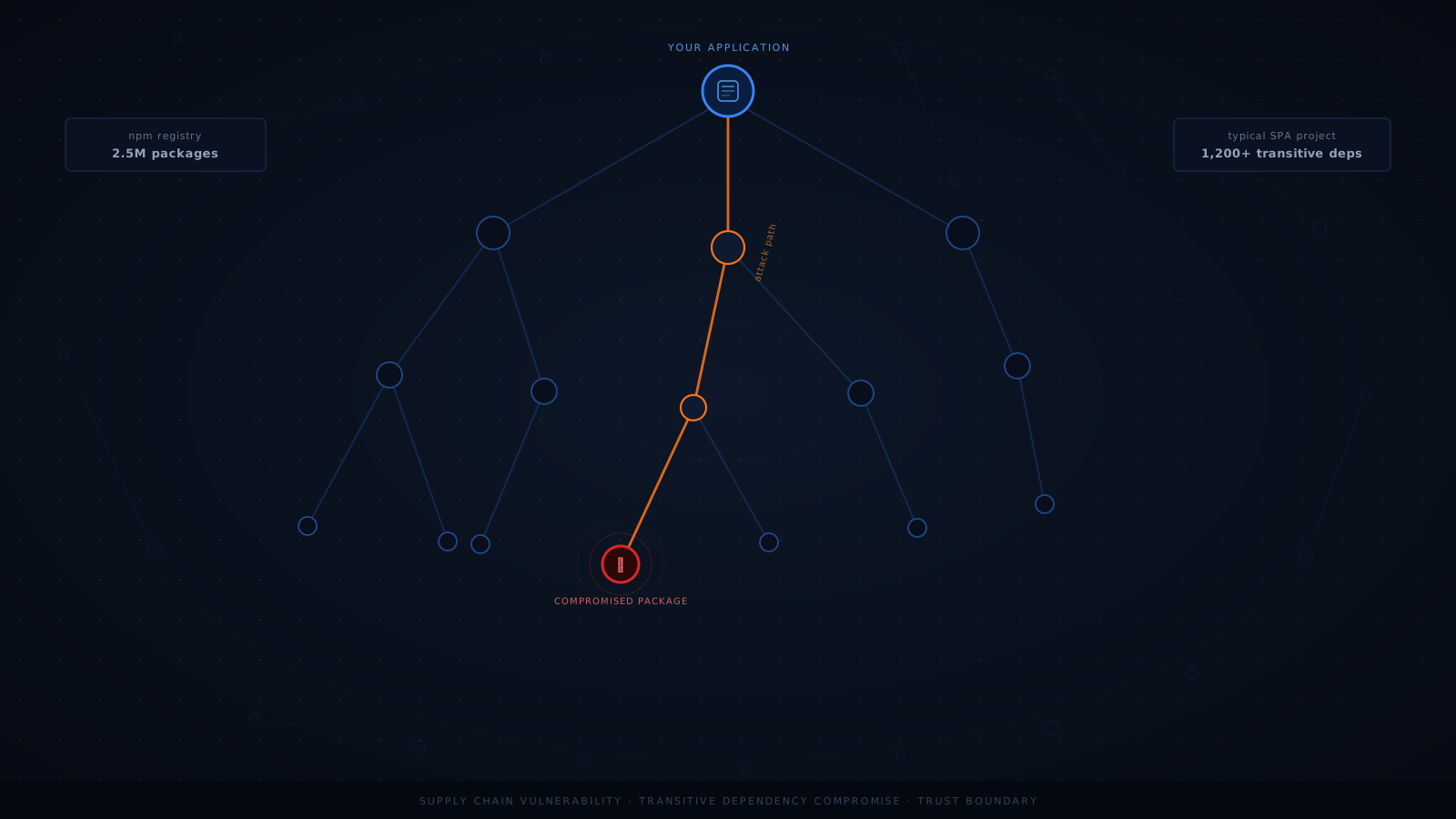
Supply chain attacks are not a vulnerability problem — they are an architectural one. How conservative, server-side approaches reduce exposure at the structural level.
Server response time: twenty years of change
The premise that justified client-side state was server latency. In 2026, the latency is gone. The premise is not.
Blog
Posts, counterarguments, and responses.